
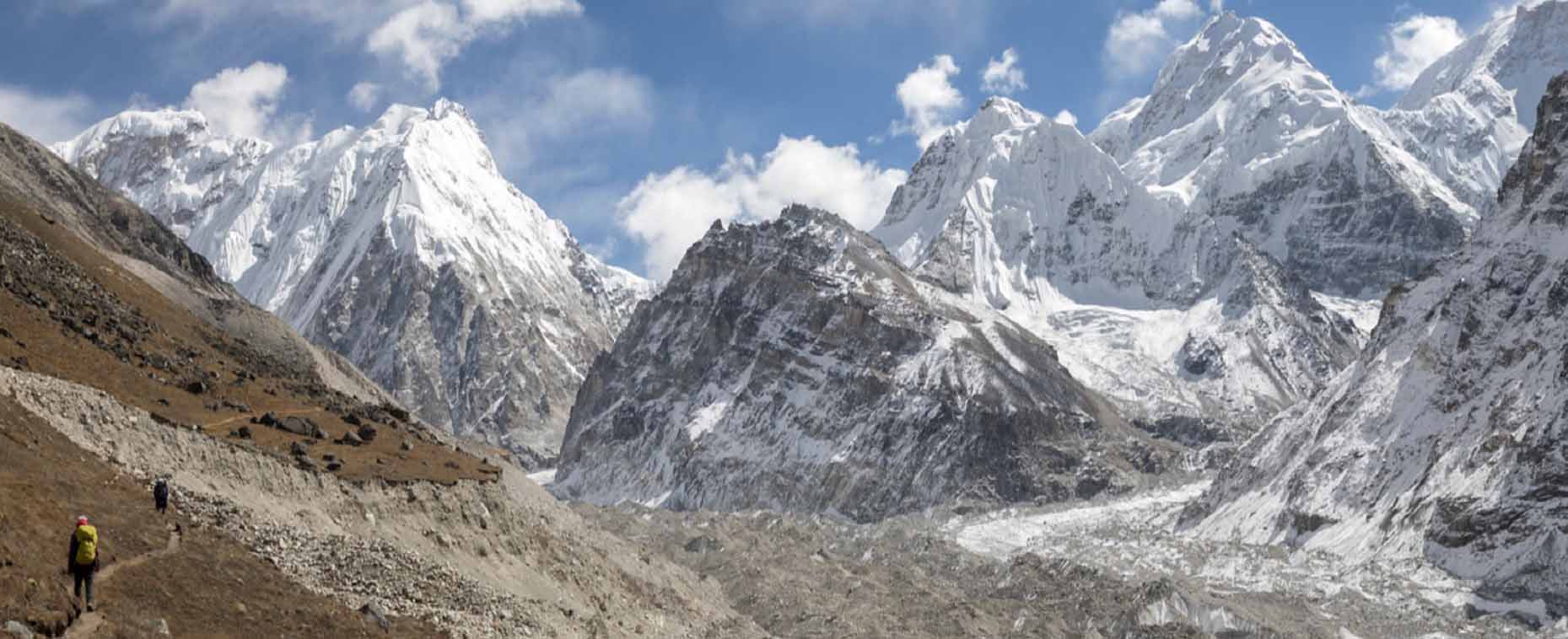
The Kanchenjunga Base Camp Trek is one of Nepal’s most remote, less-traveled, and rewarding adventures. Situated in the far east of the country, it leads trekkers through pristine wilderness, isolated mountain villages, and up to the base camp of Mt. Kanchenjunga (8,586 m)—the world’s third-highest peak. Unlike the crowded Everest or Annapurna routes, this region remains largely untouched, offering both scenic beauty and a deeply authentic cultural experience.
However, such remoteness comes with logistical complexities that influence the overall cost. Multiple internal flights, private jeep transfers, restricted area permits, and professional guides make the trek challenging to organize independently. For this reason, most trekkers rely on experienced operators like Himalayan Companion, who handle everything from permits and accommodation to porters and guide support.
This blog breaks down the Kanchenjunga Base Camp Trek package cost—covering what’s included, what’s excluded, how expenses are distributed, and why this extraordinary Himalayan journey is worth. Whether you’re trekking solo or with a group, this guide will help you plan your budget and prepare for an unforgettable adventure.
1. Kanchenjunga Base Camp Trek: Best Time to Visit
Kanchenjunga is stunning throughout the year, but for a safe and enjoyable trekking experience in the Himalayas, selecting the right season is crucial. The Kanchenjunga Base Camp Trek offers moderately challenging trails suitable for experienced trekkers.
Since much of the trek takes you above 4,000 meters for several days, extreme winter conditions can make the journey difficult. Similarly, heavy monsoon rains in eastern Nepal can make trails less accessible. Here’s a seasonal breakdown for trekking in the Kanchenjunga region:
March to May (Spring): Blooming flowers, breathtaking landscapes, and excellent trail conditions.
September to November (Autumn): Clear skies, unobstructed views, and the season of major Hindu festivals.
July to Early September (Summer Monsoon): Lower trails may be challenging, but it’s perfect for adventurous trekkers.
December to February (Winter): Snow-covered trails and potentially risky high mountain passes, yet offering some of the best Himalayan vistas.
Popular trekking options in the Kanchenjunga area include:
Kanchenjunga Circuit
Kanchenjunga North Base Camp (Pang Pema)
Kanchenjunga South Base Camp (Okhtang)
Short Kanchenjunga Circuit
2. How Much Does the Kanchenjunga Base Camp Trek Cost?
The Kanchenjunga Base Camp Trek typically ranges from USD 2,050 to 5,000 per person for a 26-day all-inclusive package. The price varies depending on factors such as trekking season, group size, level of service (standard or premium), and whether you choose a private or group departure. Compared to popular treks like Everest Base Camp or Annapurna Circuit, Kanchenjunga is more logistically challenging due to its remote eastern Nepal location and limited infrastructure, which also increases transportation and porter costs.
Most full-board trekking packages, including those from Himalayan Companion Treks, cover all essentials to ensure a safe and comfortable journey.
Typically Included in the Trek Package:
- All necessary trekking permits: Kanchenjunga Restricted Area Permit
- Kanchenjunga Conservation Area Project (KCAP) Permit
- TIMS card (Trekkers’ Information Management System)
- English-speaking, government-licensed trekking guide with high-altitude experience
- Porter services (usually 1 porter per 2 trekkers)
Domestic transportation:
o Round-trip flight between Kathmandu and Bhadrapur
o Private jeep transfers from Bhadrapur to Suketar and back
- Meals during trek: Three times daily (breakfast, lunch, dinner)
- Tea house or lodge accommodation during trekking days
- Hotel accommodation in Kathmandu and Ilam/Kanyam (typically 3 nights in Kathmandu, 1 night in Kanyam)
- Full-day sightseeing in Kathmandu with guide and transport
- Food, salaries, transport, and insurance for guides and porters
- Assistance for groups of 4 or more to ensure personalized support
- All applicable taxes, service charges, and logistics
Common Exclusions:
· Nepal visa fee (paid at the airport)
· International flights to/from Kathmandu
· Meals in Kathmandu outside the trek (lunch/dinner)
· Personal gear, clothing, and trekking equipment
· Bottled water, snacks, alcohol, and hot showers
· Travel insurance (including emergency evacuation)
· Tips for guides, porters, and drivers
· Optional expenses such as device charging, Wi-Fi, or donations
Note: Costs may increase for small groups, solo trekkers, or those requesting single rooms or luxury lodge upgrades.
3. Permits for the Kanchenjunga Base Camp Trek
The Kanchenjunga Base Camp lies within a restricted and protected area of eastern Nepal. To trek here legally, travelers must obtain several official permits, designed to help preserve the environment, protect local cultures, and promote responsible tourism in this remote Himalayan region.
All permits must be arranged through a registered trekking agency, as independent trekking is not allowed. A minimum of two trekkers accompanied by a licensed guide is required to secure the restricted area permit.
Below is a breakdown of the necessary permits and their associated fees:
i. Kanchenjunga Restricted Area Permit (KRAP)
This primary permit covers the restricted zone between Tapethok and Yamphuding in Taplejung District.
Cost: USD 20 per person per week
Validity: 7 days
Extension: USD 20 per person for each additional week
Note: Although relatively affordable compared to areas like Upper Mustang or Upper Dolpo, the fee supports sustainable and regulated trekking in this sensitive border region.
ii. Kanchenjunga Conservation Area Permit (KCAP)
Most parts of the trek fall within the Kanchenjunga Conservation Area Project (KCAP), which aims to conserve biodiversity and support local communities.
Cost: NPR 2,000 per person (approximately USD 16–18)
Validity: For the entire trekking duration
Seasonal variation: None
Purpose: Funds go directly toward trail maintenance, environmental protection, and community-based tourism initiatives in the area.
4. Porter and Guide Charges for the Kanchenjunga Base Camp Trek
Do I need to hire a guide?
The Kanchenjunga region is a Restricted Area due to its remoteness, proximity to the India–Tibet border, and fragile cultural and ecological environment. As a result, solo trekking is prohibited.
According to Nepal’s trekking regulations, all treks in this area must include:
· A licensed government-certified trekking guide
· At least one additional registered trekker (you must trek in a group of two or more)
These rules are in place to:
· Ensure safety and rescue preparedness in isolated, high-altitude terrain
· Support sustainable tourism and provide local employment opportunities
· Reduce risks from altitude sickness, harsh weather, and route navigation errors
Reputable companies such as Himalayan Companion handle all arrangements for permits, guides, and porters in full compliance with government policies.
Cost of Hiring a Licensed Guide
· A professional, English-speaking Kanchenjunga trekking guide typically costs USD 30–40 per day.
What Does a Guide Do?
A professional trekking guide plays a crucial role in ensuring safety, comfort, and cultural connection throughout the Kanchenjunga trek. Their responsibilities include:
· Navigating the trail and ensuring the group’s safety
· Assisting with acclimatization and managing altitude-related issues
· Offering translation services and sharing local cultural insights
· Arranging meals and accommodation at teahouses
· Providing emergency support, including coordination for evacuation if needed
Porter Hiring Cost
Given the length and remoteness of the Kanchenjunga trek, hiring a porter is strongly recommended.
· Daily rate: USD 20–25
· Total for 26 days: Approximately USD 480–650 for two trekkers
(One porter typically carries up to 25 kg shared between two people.)
Why Hire a Porter?
· Reduces physical strain during long, high-altitude days
· Helps conserve energy, enhancing both safety and enjoyment of the trek
· Provides economic support to local communities, as most porters are from nearby villages
Tipping Culture in Nepal
Although tipping is not mandatory, it is customary and highly appreciated in Nepal’s trekking industry. It serves as a meaningful gesture of gratitude for the dedication and hard work of your support team—especially on challenging treks like Kanchenjunga.
Suggested tipping range (per trekker):
· Guide: USD 100–150 for treks lasting three weeks or more
· Porter: USD 80–120
Tips are generally given at the end of the trek, either personally or during a group farewell meal. Offering your tip with a smile and genuine thanks goes a long way in showing respect and appreciation for their efforts.
5. Food and Accommodation Costs on the Kanchenjunga Base Camp Trek
Quality of Tea Houses on the Kanchenjunga Route
The Kanchenjunga Base Camp Trek is among the most remote and least-traveled routes in Nepal. Due to its isolation and limited tourist flow compared to the Everest or Annapurna regions, the available infrastructure is basic but adequate for trekkers.
Accommodation is provided in tea houses or lodges—simple, family-run establishments offering meals and lodging. As you ascend higher, facilities become increasingly basic and less accessible. Typical features include:
· Twin-sharing rooms with wooden or stone beds, foam mattresses, pillows, and blankets
· Shared toilets, often located outside the rooms (mostly squat-style)
· Dining areas heated by a wood-fired stove
· Limited electricity or solar lighting (device charging may incur an extra cost)
· No Wi-Fi or mobile network beyond Ghunsa
· No attached bathrooms or hot showers at high altitudes (available at mid-level villages for an additional fee)
In lower villages such as Taplejung, Ghunsa, and Kambachen, tea houses are moderately well-equipped, offering better comfort. However, as you approach Tseram, Ramche, Lhonak, and Pang Pema, accommodation becomes very basic, sometimes resembling camping setups due to the extreme remoteness.
Cost of Food and Beverages per Day
Meals on the Kanchenjunga Base Camp Trek are generally more expensive than in popular regions like Everest or Annapurna because of:
· Difficult transportation—all supplies are carried by mules or porters
· Limited availability of goods at higher elevations
· Low trekker traffic, which reduces supply turnover
Expect to spend around USD 35–40 per day on food and drinks. This typically includes:
· Three daily meals (breakfast, lunch, and dinner)
· Simple vegetarian dishes such as dal bhat (lentils and rice), noodles, momos, or Tibetan bread
· Hot beverages like tea, coffee, or soup
· Filtered or boiled water, often charged per liter
Approximate cost breakdown:
· Breakfast: USD 8–10 (porridge, Tibetan bread, eggs, tea)
· Lunch/Dinner: USD 12–15 each (dal bhat, noodles, thukpa, curry)
· Hot drinks: USD 2–4 per cup
· Snacks or water refills: USD 2–3
While the food quality remains good, the variety narrows significantly at high-altitude locations such as Lhonak, Pang Pema, Sele La, Ramche, and Tseram due to limited access to fresh supplies.
5. Transportation Costs to and from the Kanchenjunga Base Camp Trailhead
How to Reach the Starting Point
Getting to the Kanchenjunga Base Camp trailhead involves a combination of domestic flights and long jeep rides through eastern Nepal’s remote terrain near the India–Tibet border. Because of the region’s isolation and limited infrastructure, travel logistics are more complex and costly than for most other trekking regions in Nepal—an important factor included in the overall trek package price.
Typical Route and Estimated Costs:
i. Kathmandu to Bhadrapur (Flight)
The journey begins with a domestic flight from Kathmandu to Bhadrapur, located in the southeastern lowlands (Terai).
· Cost: USD 120–130 (one way, depending on season and availability)
· Duration: 45–50 minutes
ii. Bhadrapur to Taplejung/Kanyam (Drive)
From Bhadrapur, a private jeep takes you through Kanyam to Taplejung, Suketar, or Ranipul, the main trailheads of the trek. The road is narrow, winding, and scenic, passing through tea gardens and forested hills.
· Cost: USD 300–350 (one-way jeep rental, shared among 4–6 trekkers)
· Duration: 10–12 hours
iii. Return Journey
After completing the trek, you’ll return via the same route, taking a private jeep back to Bhadrapur and then flying to Kathmandu.
· Cost (return jeep + flight): Around USD 300–350 per person, depending on group size and season
Why Private Jeeps Are Preferred
Because public transportation in eastern Nepal is limited and unreliable, private jeeps are the most practical option. They offer greater comfort, safety, and flexibility, especially when dealing with poor road conditions and unpredictable weather along the route.
6. Miscellaneous Expenses on the Kanchenjunga Base Camp Trek
Although the Kanchenjunga Base Camp Trek package with Himalayan Companion includes most major costs—such as permits, accommodation, meals, domestic flights, and guide/porter services—there are a few additional personal expenses to consider. These may seem minor but can add up over a 26-day journey.
Charging Electronics and Wi-Fi
Electricity in the remote villages of the Kanchenjunga region is limited and often solar-generated.
· Charging devices (phones, cameras, power banks) costs about USD 2–5 per item per charge.
· Wi-Fi access is available in select lower villages like Taplejung or Ghunsa, costing USD 2–3 per hour, though connections are typically slow and unreliable.
· Carrying a power bank or solar charger is highly recommended.
Hot Showers
Basic tea houses at lower altitudes (e.g., Kanyam, Taplejung, Ghunsa) may offer hot showers for an extra fee.
· Cost: USD 3–5 per shower
· At higher elevations (Ramche, Pang Pema, Sele La), hot water is scarce and may only be available via bucket heating.
· Many trekkers skip showers at high altitudes and instead use wet wipes or sponge baths.
Snacks and Drinks
While your package includes three main meals, snacks and extra beverages are paid out of pocket.
· Items like chocolate bars, instant noodles, bottled water, tea, coffee, or soft drinks are available but become more expensive with altitude.
· It’s wise to budget around USD 5–10 per day if you plan to enjoy extra snacks or local treats during the trek.
Conclusion
The Kanchenjunga Base Camp Trek offers a truly once-in-a-lifetime adventure in one of Nepal’s most remote and culturally intact Himalayan regions. While the trek is costlier than many others due to its remote location, extended duration, and logistical challenges, the rewards are exceptional. Trekkers experience peaceful forests, towering peaks, and secluded valleys, alongside rich cultural encounters.
A well-organized trek typically ranges from USD 2,050 to 5,000, depending on factors such as group size, season, level of service, and personal spending. Understanding the breakdown of costs—from permits and guides to accommodation and meals—allows trekkers to plan effectively and make informed decisions that suit their budget.
